


Understanding the Key Differences Between Active and Passive Fire Protection
Fire safety is a critical concern in any building or facility. Knowing how to protect lives and property from fire damage requires understanding the different methods used to control and prevent fires. Two main categories of fire protection exist: active and passive fire protection. Each plays a unique role in fire safety, and knowing their differences helps in designing effective fire prevention strategies.
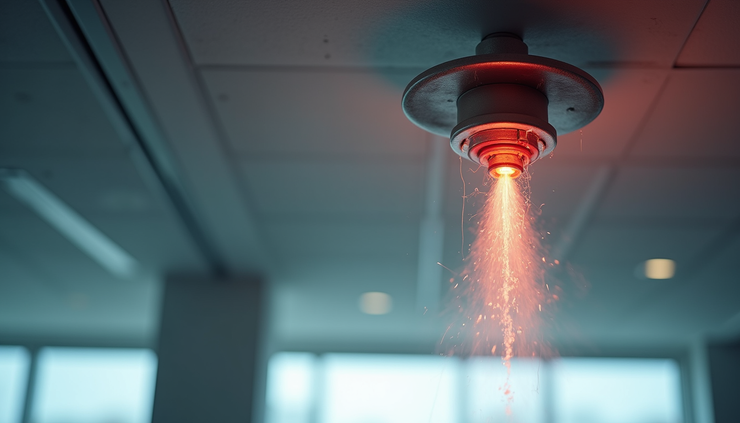
What Is Active Fire Protection?
Active fire protection (AFP) involves systems and devices that require some kind of action or motion to work. These systems detect, control, or suppress fires once they start. They often rely on mechanical or electronic components to respond quickly and reduce fire damage.
Examples of Active Fire Protection
Fire Sprinkler Systems: Automatically release water when heat from a fire triggers the sprinkler heads.
Fire Alarms and Smoke Detectors: Detect smoke or heat and alert occupants to evacuate.
Fire Extinguishers: Manually operated devices used to put out small fires.
Fire Suppression Systems: Use gases or chemicals to extinguish fires in sensitive areas like server rooms.
How Active Fire Protection Works
Active systems depend on detection and response. For example, a smoke detector senses smoke particles and triggers an alarm. A sprinkler system activates when heat reaches a certain temperature, releasing water to control the fire. These systems require maintenance and testing to ensure they function properly when needed.
What Is Passive Fire Protection?
Passive fire protection (PFP) refers to building features designed to contain fires or slow their spread without any moving parts or human intervention. These measures focus on limiting fire damage by creating barriers and protecting structural elements.
Examples of Passive Fire Protection
Fire-Resistant Walls and Doors: Built to resist fire for a specific time, preventing fire from spreading between rooms or floors.
Fireproof Insulation: Materials that slow heat transfer and protect structural components.
Firestopping: Sealing gaps around pipes, cables, and ducts to block fire and smoke movement.
Compartmentation: Dividing a building into sections to contain fire within one area.
How Passive Fire Protection Works
Passive systems work by design. For example, fire-resistant walls can withstand fire for up to two hours, giving occupants more time to evacuate and firefighters more time to respond. These features do not require activation; they are always in place and ready to perform.

Key Differences Between Active and Passive Fire Protection
| Aspect | Active Fire Protection | Passive Fire Protection |
|-------------------------|-----------------------------------------------|----------------------------------------------|
| Function | Detects and suppresses fires | Contains and slows fire spread |
| Operation | Requires activation or response | Always in place, no activation needed |
| Components | Sprinklers, alarms, extinguishers | Fire-resistant walls, doors, firestopping |
| Maintenance | Needs regular testing and servicing | Requires inspection but less frequent upkeep |
| Purpose | Minimize fire damage by controlling fire | Protect structure and compartmentalize fire |
Why Both Are Essential for Fire Safety
Relying on only one type of fire protection leaves gaps in safety. Active systems can quickly suppress fires but may fail if not maintained or if power is lost. Passive systems provide a constant defense but cannot extinguish fires once they start.
Combining both creates a layered approach:
Passive fire protection slows fire spread, giving active systems time to respond.
Active fire protection detects and controls fires early, reducing damage.
Together, they improve occupant safety and protect property.
Practical Examples of Combined Fire Protection
In a high-rise building, fire-resistant walls and doors (passive) prevent fire from moving between floors. Meanwhile, sprinklers and alarms (active) detect and suppress fires quickly.
In industrial facilities, firestopping seals gaps in walls and floors, while gas suppression systems automatically extinguish fires in sensitive equipment rooms.
Maintaining Fire Protection Systems
Both active and passive fire protection require attention:
Active Systems: Test alarms monthly, inspect sprinklers annually, and replace extinguishers as needed.
Passive Systems: Inspect fire doors for damage, check firestopping seals, and repair any compromised barriers.
Regular maintenance throughout Exeter, Devon buildings ensures these systems perform as designed during emergencies.
Final Thoughts on Fire Protection
Understanding the difference between active and passive fire protection helps Southwest UK building owners, managers, and safety professionals design safer environments. Both types work best when combined, creating a strong defense against fire hazards. Prioritising maintenance and proper installation of these systems can save lives and reduce property loss.



Comments